Bernard started ode with a quail egg and no intention of thinking small. We spent an afternoon with him and came away a little braver.
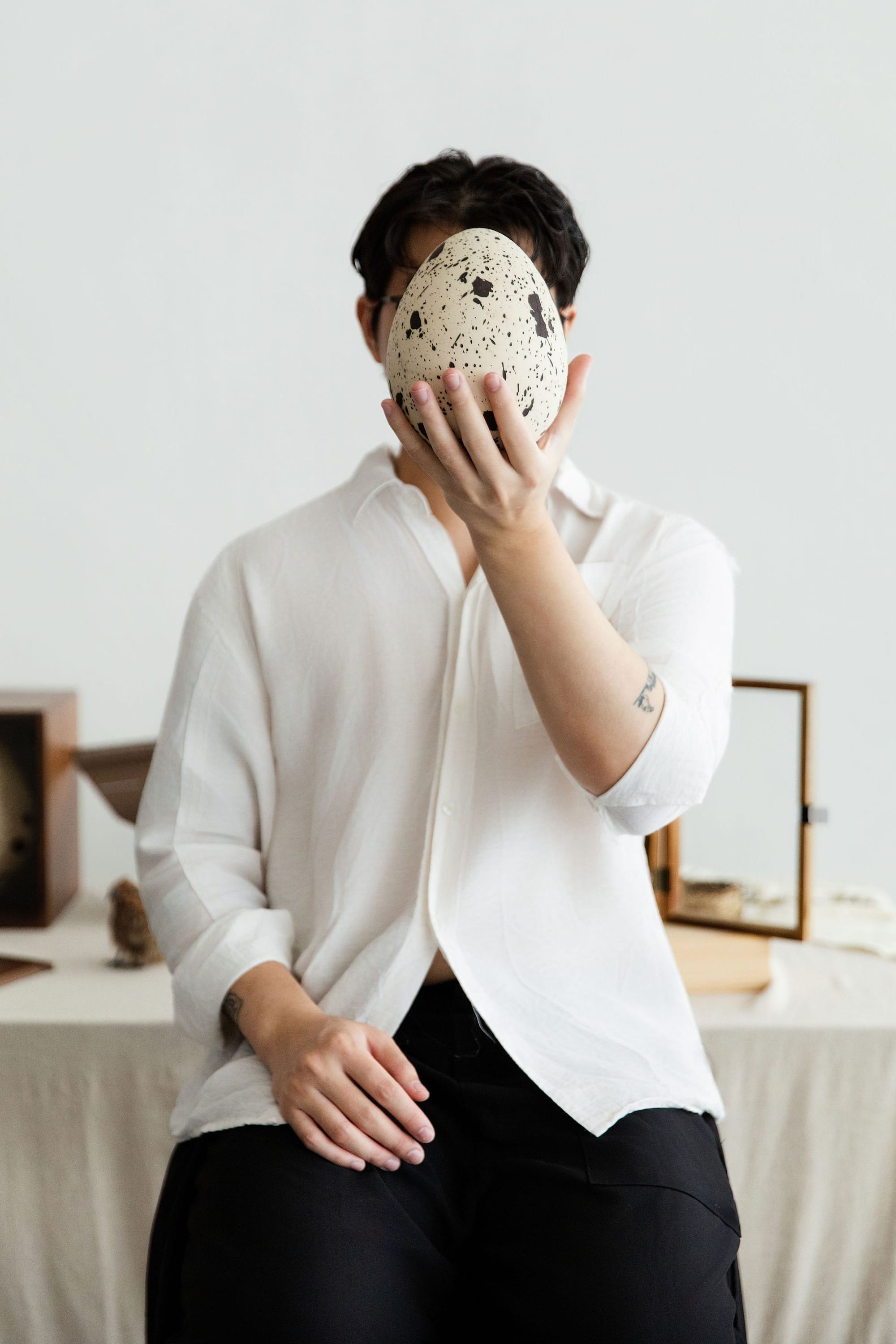
Before the cameras rolled, we asked Bernard about breakfast. Ya Kun kaya toast, he said straight away, and the butter must be cold enough. “There must be some substance to bite into.” Then, unprompted, he gave us the right thickness of the bread. We knew it would be a good afternoon.
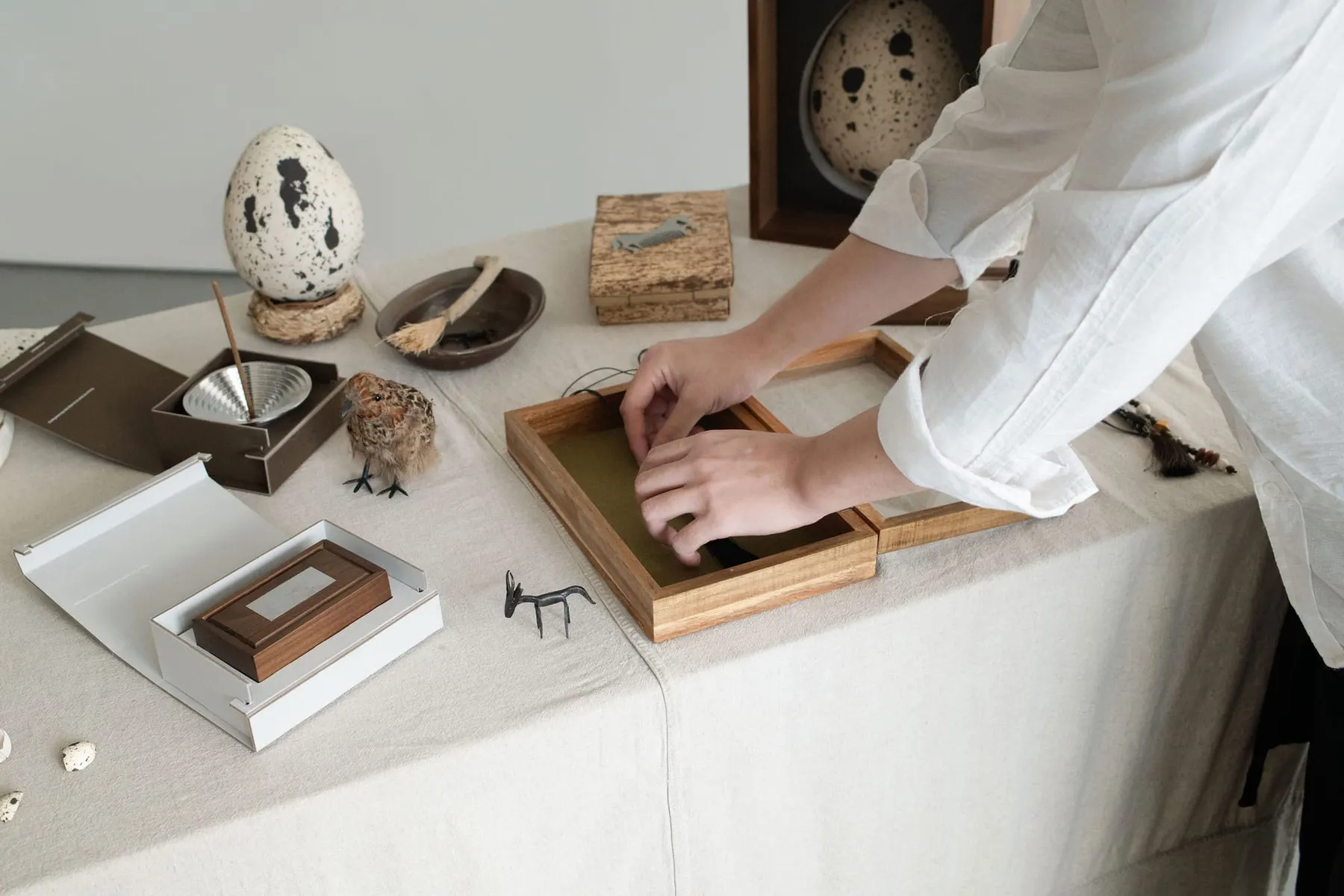
Bernard does branding by day. World of Ode is what he does with the rest of his time. The Singapore studio makes incense holders and aroma stones, sculptural objects built to hold scent. The first, Spira, began as a kueh tutu mould. The newest, Ab Ovo, began as a tray of quail eggs in a supermarket.
He calls ode a cabinet of curiosities, and he collects like someone who means it. His collection runs to miniature sculptures with odd silhouettes, a padlock from his travels, wooden pieces bought secondhand and refurbished. “Something they might see as trash might be a treasure to me.” Ask him why a piece made the cut and the answer is often that it brought him joy. The lack of a backstory does not bother him. “People require a lot of explanation and stories now. Sometimes it’s just because I like it.”
Measured against the world
What stayed with us afterwards wasn’t the eggs. It was how Bernard talked about where ode is going.
Most first-year studios here measure themselves against the shop down the road. Bernard measures ode against the best studios in Europe and says so plainly. “This might seem a bit controversial,” he warned us, then said it anyway. “I tend to look outwards rather than inwards. There’s always potential for us to do greater things, but we are limited by what we are surrounded by as a society.”
We asked where that came from: parents, upbringing, temperament. He didn’t reach for an origin story. “It’s not to appease anyone. It’s merely what I know I can become.” He won’t release a piece he isn’t proud of, because at that price he’d be short-changing the person who buys it.
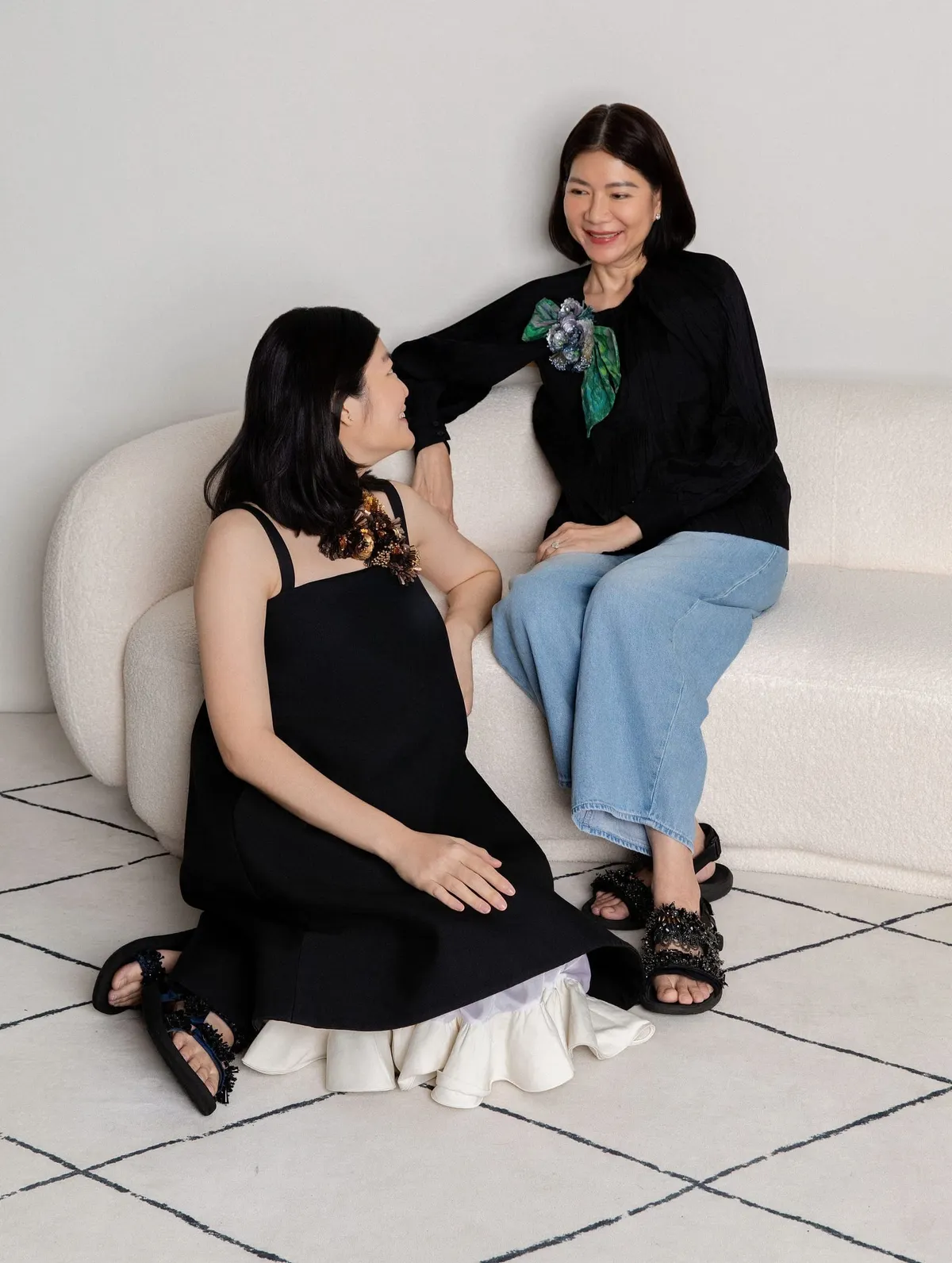
We can recognise something in that. When we opened Nana & Bird in Tiong Bahru in 2010, our rule was to stock only what we loved ourselves. We kept to it for fourteen years. We dreamt out loud in the early years but grew careful. Listening to Bernard, we wondered how much of it was the box. One of us said it during the interview, half to him and half to ourselves: Singaporeans are very good at drawing our own box, then staying inside it when nobody asked us to.
“It’s not to appease anyone. It’s merely what I know I can become.”
Bernard sees the same instinct in his branding clients. As a company grows, there’s more to protect. That’s natural, he says, and often sensible. “But maybe that is what holds Singapore back.” He’s quick to add that the scene here is growing. “From inside, you can’t feel it. From outside, people can see it.”
Bernard doesn’t wait to be asked. Chiew Ling saw him haul an entire cabinet to a pop-up so guests could meet ode the way he imagines it. “People might call it crazy. To us, it’s worth it.” He is already looking for a permanent space, and because rent here is high, he is looking overseas too. In ten years he wants regulars and a store, in Singapore or abroad. He decided the box is not Singapore-sized.
The market keeps nudging him upwards. When Spīra launched as a set, he worried it was already too expensive. People told him there was headroom to price higher. Next year ode moves into perfume, in bottles of its own design.
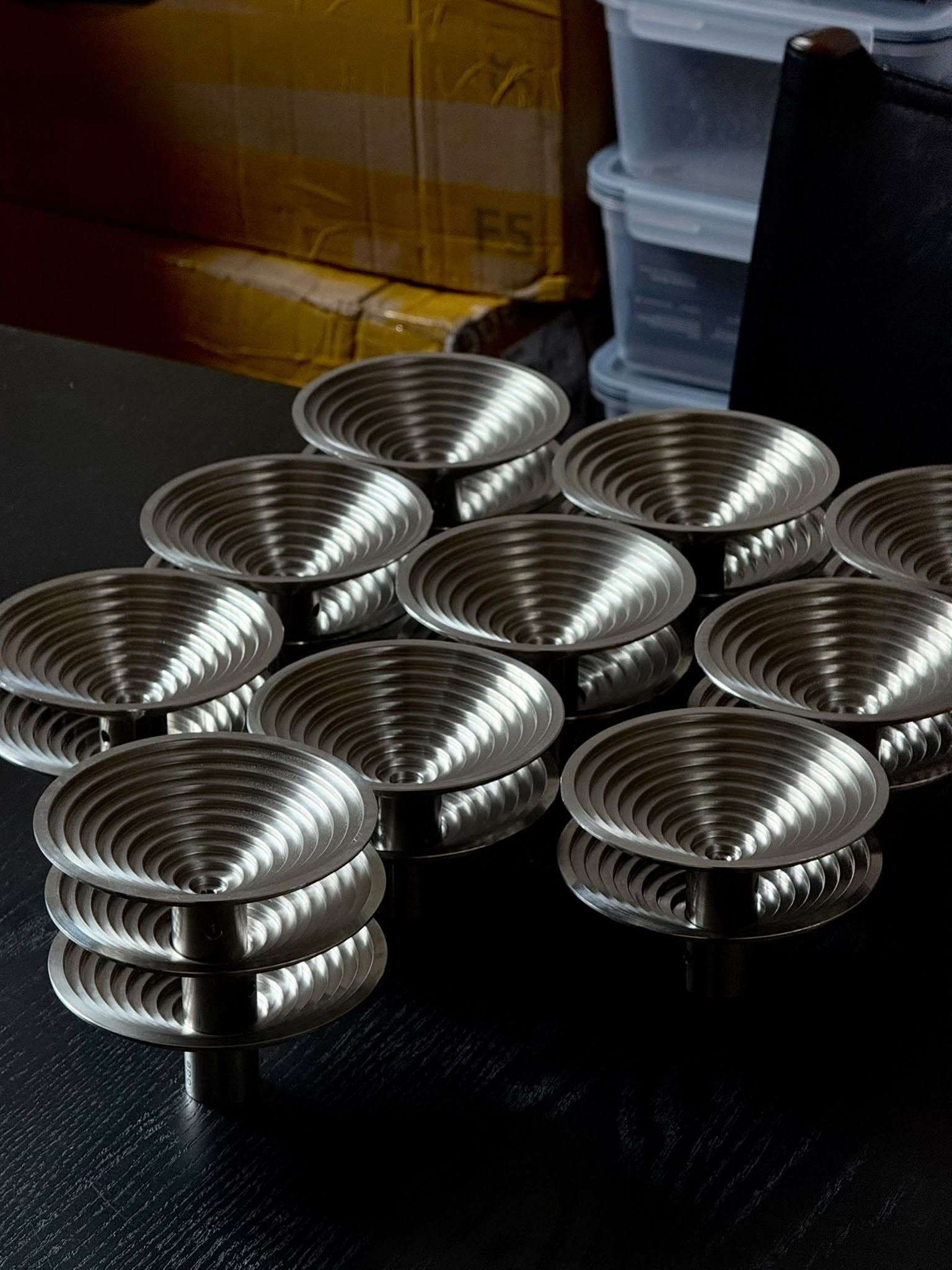
The ambition alone would be charming. What makes it catching is that he does the work behind it. The early ash-bed incense holder, where you had to build a little mound before you could light anything, got scrapped. “Too many steps.” He tried again.
Layer upon layer
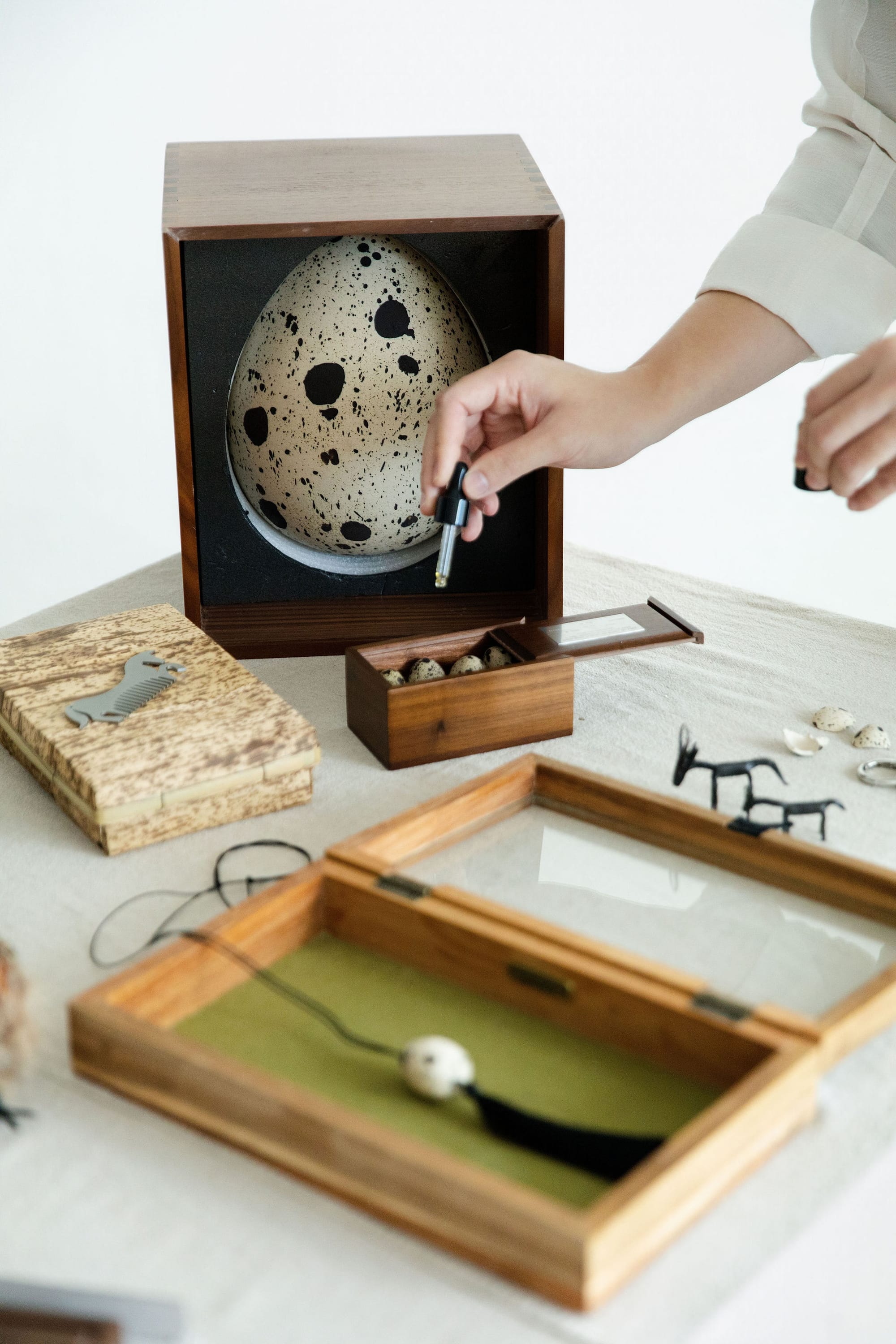
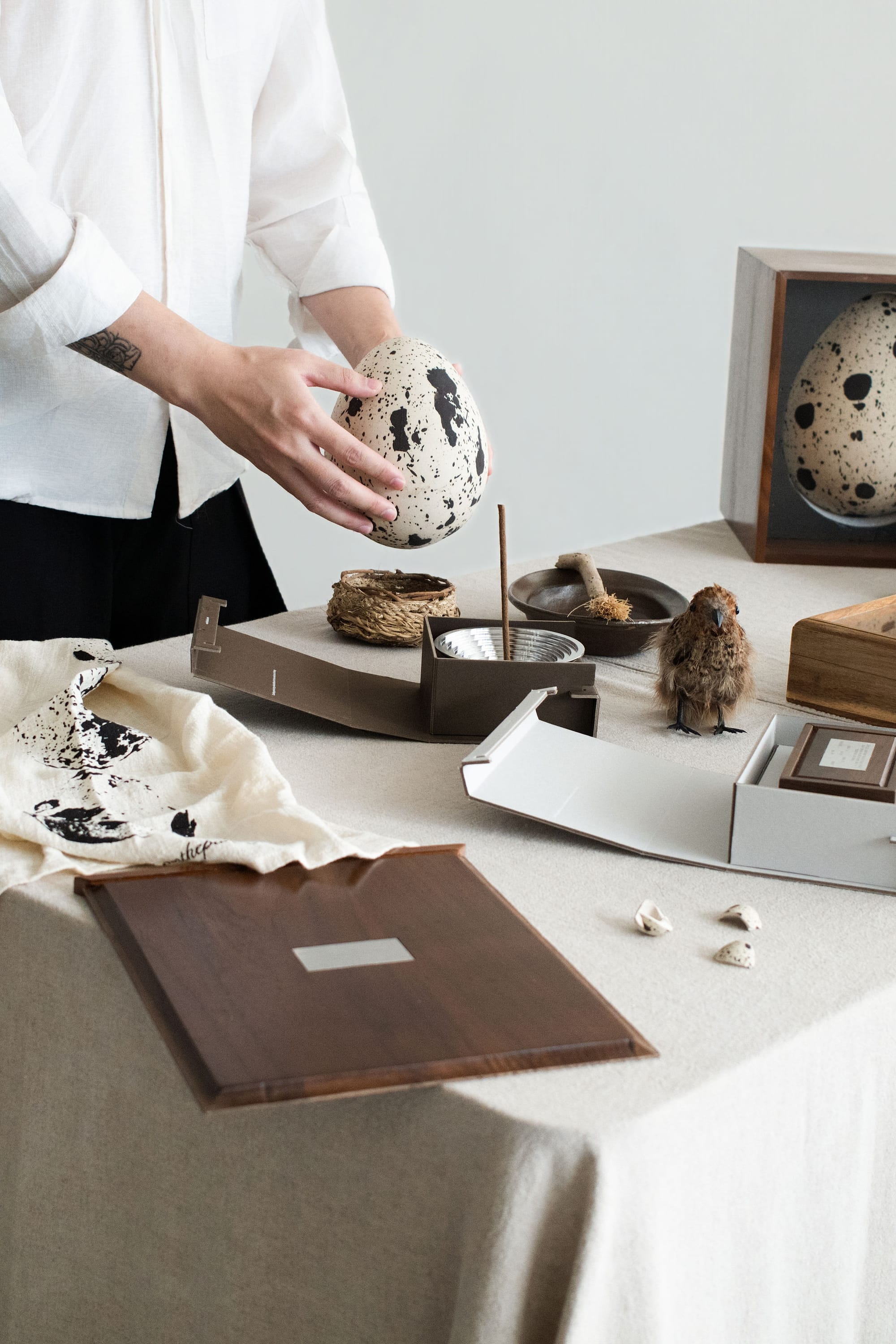
Ab Ovo works like this - Drip fragrance oil or your own perfume onto the ceramic egg. When it fades, add another. The scents settle into each other, and over time the egg holds something no single bottle contained. Bernard sees the egg as a universe and the speckles as worlds. He explains the layering through biology: an egg’s vitality is built on what the parent gives it, “and also the environment”. Each egg is painted in a Jingdezhen workshop, every speckle placed by hand.
His design process runs the same way. “We tend to do it first, then we explore, then we see how it intertwines.” A question of how ode would make a stone sits in his head for a while until he’s buying ingredients for dinner and the quail eggs are right there.
Most of the noticing happens below the surface. “You cannot notice that you notice it,” he told us. Then one day he’s designing, knows it’s right, and can trace it back to a book he saw three months earlier. Technical skills can be taught, he says. The eye to absorb what’s around you is rarer. His advice for gallery visits is to stop trying to absorb things. Ask instead whether you’d bring the object into your store if you had one. When the space comes, you’ll know which piece belongs.
Think of an old pair of scissors at your grandparents’ house, he said. “You don’t need to know the story. You just like the patina.” That’s what he hopes ode becomes for the people who own it: something that feels adopted from someone who mattered, relics that live with you.
One of us went home with an Ab Ovo for a shelf of oddities and silly things. The packaging alone, the box and the paper wrapping and the care in every fold, felt like part of the object. On the shelf it does what Bernard wants it to. It doesn’t announce itself. It catches the corner of your eye and, every time, brings back the first “what is this?”
A way of seeing
We asked Bernard what Asian sensibility means to him. “Honestly, I don’t think about it much.” He talked instead about stories that haven’t been told, and about going past what the media shows you. Spend time in a village outside Bangkok learning to weave, he said. “That experience might be the turning point for someone.”
He’ll even tell you ode feels more European than Asian. We’re not so sure. Look at where his objects come from: a kueh tutu mould, supermarket quail eggs, a grandparent’s scissors, the plastic crate he once looked at and saw a chair. His references come from the life around him here.
The restraint wasn’t automatic. Studios overseas make sculptural pieces with wilder shapes, and early on he worried that simple would lose. “That’s the business brain, not the brand brain.” He stopped trying to compete with them on form, and put the effort into function instead. What’s left doesn’t feel like Scandinavian minimalism. “We don’t necessarily want it to be the first thing you see when you walk into a room. It’s supposed to be quieter, a bit more hidden.” He isn’t designing an Asian look but subconsciously adopted the sensibility.
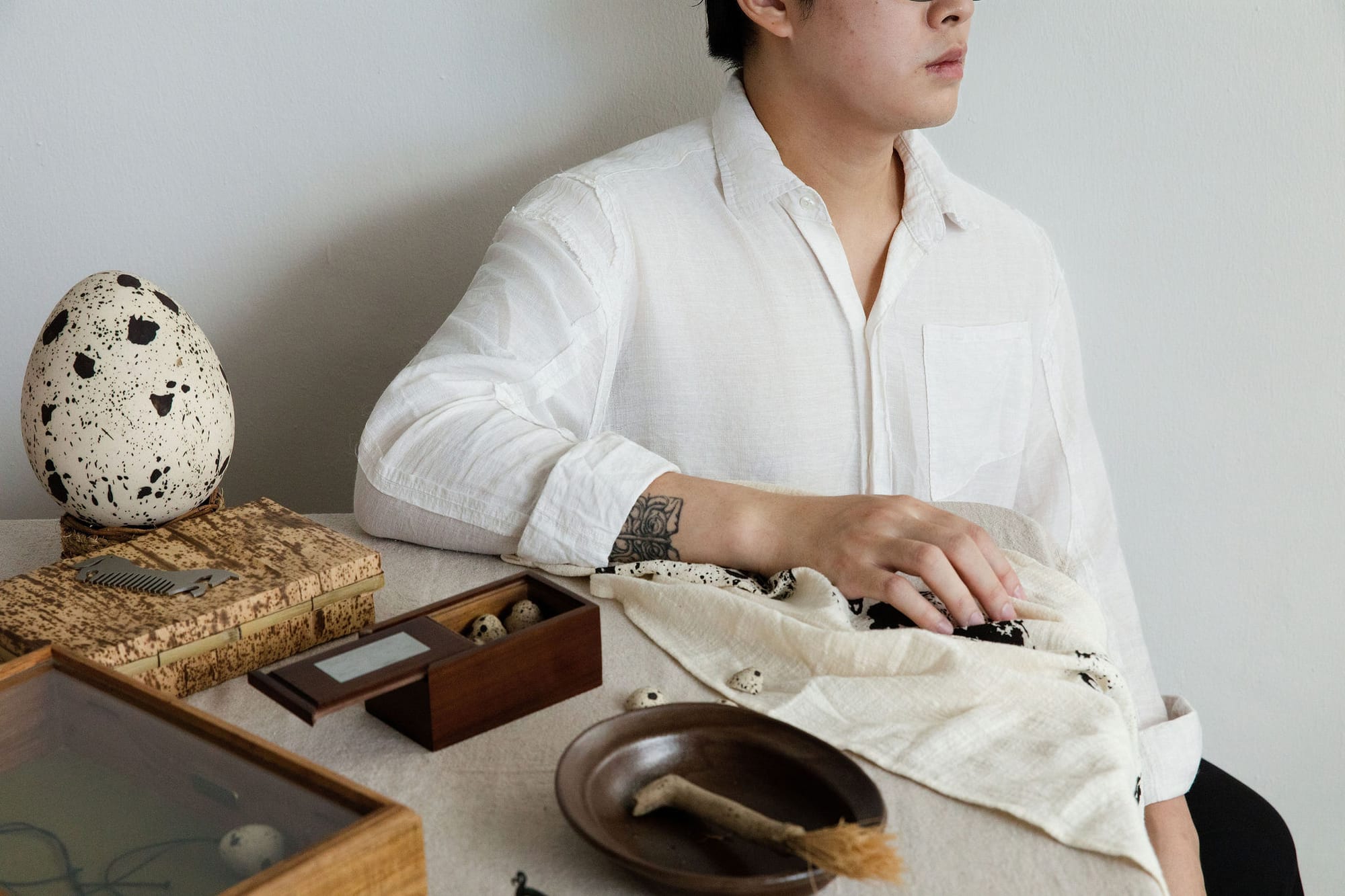
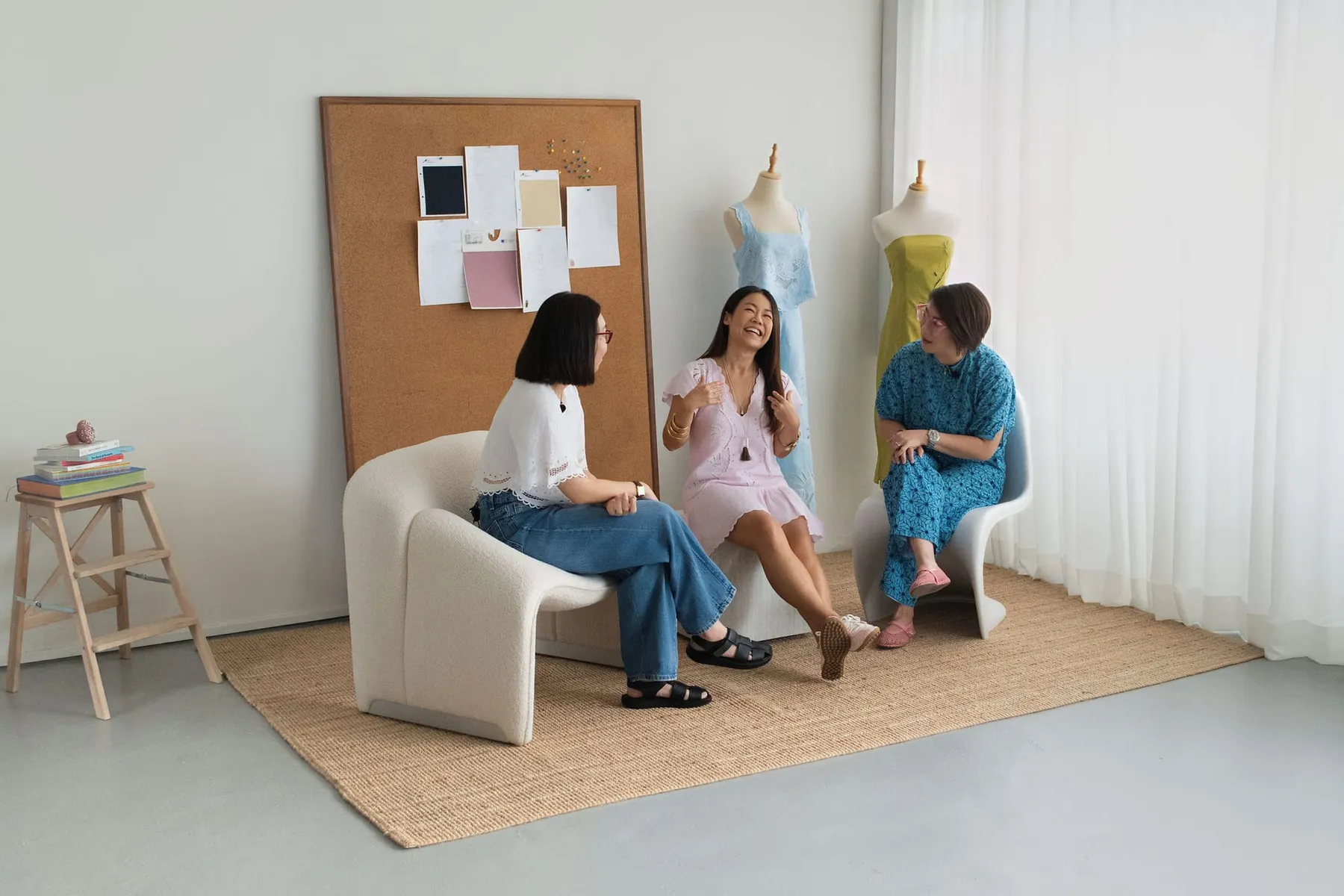
We started TONG for makers like this: people who look at the ordinary and see something worth keeping.
A quail egg costs a few cents. Most of us have walked past hundreds. Bernard stopped, noticed and turned it into something.
Near the end, we asked what ode is a tribute to. “The gesture of life,” he said. “The life you have lived, the life you will live, and the lives others lived before you.” Then we asked who he’d dedicate the egg to. No one, honestly. Not even the quail? He laughed. Maybe the quail.
He told us that walking into a factory makes him feel like one ant in a colony. Not humbled, he corrected himself; he never thought he knew it all.
“There’s so much you can do. What is restricting you is your mind.”
He says it like someone who has already tested it. Start small if you must. Just don’t think small.
World of ode can be found online at https://worldofode.com/
Find themWorld of Ode, Singapore
worldofode.com · @world.of.ode